

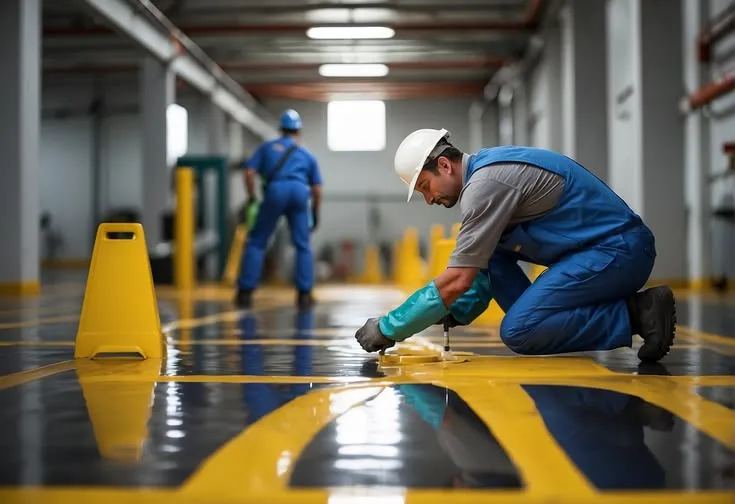
A busy industrial floor needs to do more than withstand heavy equipment. Workers move between machines, forklifts travel through loading areas, and cleaning teams regularly deal with spills and accumulated debris. When the floor becomes worn or slippery, even routine activities can create unnecessary hazards. Businesses considering commercial epoxy flooring newcastle should evaluate their operational requirements before selecting a coating. The right surface system can support easier cleaning, improved durability and safer movement without overlooking the specific conditions of the workplace.
Begin With the Hazards on Site
Every industrial environment presents different flooring challenges. A distribution warehouse may experience constant forklift movement, while a food production facility must manage moisture, cleaning chemicals and frequent washdowns. A surface that performs well in a dry storage area may not provide suitable traction where water or grease is regularly present.
Before choosing materials, managers should examine traffic patterns, equipment loads and areas where spills commonly occur.
This assessment helps identify whether the priority is abrasion resistance, chemical protection, slip resistance or a combination of these characteristics.
Why Surface Texture Deserves Attention
Smooth flooring can simplify cleaning, but its slip resistance depends on the material, finish and conditions of use. In areas where liquids are present, incorporating suitable aggregates into a resin system may improve traction. However, additional texture can also influence cleaning requirements.
A heavily textured floor may collect residue more readily than a smoother finish, particularly where frequent washdowns are necessary. Finding the right balance requires understanding the activities performed in each area. Different sections of the same facility may therefore benefit from different surface specifications.
Understanding Slip Resistance Requirements
Slip resistance is not determined simply by whether a floor feels rough beneath footwear. Professional testing can measure performance under specified conditions. In Australia, AS 4663 provides a method for testing the slip resistance of existing pedestrian surfaces. Businesses exploring anti slip flooring newcastle should discuss the appropriate classification for their particular workplace rather than assuming every textured coating delivers the same result.
Testing and documented results can help facility managers understand whether the completed surface meets relevant project requirements. However, floor selection should remain part of a wider safety approach that includes cleaning procedures and spill management.
Practical Questions Before Installation
A flooring consultation should cover both immediate needs and long-term operating conditions.
Important considerations include:
-
Traffic patterns: Identify forklift routes, pedestrian crossings and loading areas.
-
Chemical exposure: Review substances that could damage an unsuitable coating.
-
Wet conditions: Determine where water, oils or cleaning solutions may accumulate.
-
Surface preparation: Establish whether grinding or shot blasting is required.
-
Operational access: Plan how work areas will remain isolated during installation.
These details help contractors recommend materials that suit the building rather than relying on a standard specification.
Preparing Concrete for Reliable Coating Performance
Coating performance depends heavily on the condition of the underlying concrete. Existing contamination, old coatings and weak surface material can interfere with adhesion. Mechanical preparation methods, including diamond grinding or shot blasting, help establish the required surface profile.
Cracks and damaged joints may also need repairs before application. Moisture conditions should be assessed, as they could affect the selected system. Skipping preparation to reduce downtime can create expensive problems later, particularly when coating failure interrupts essential operations.
Managing Installation Without Closing Everything
Commercial flooring projects often require careful coordination because businesses cannot always suspend operations. Some facilities can divide the work into separate zones, allowing unaffected areas to remain operational while another section is prepared and coated.
Others may schedule work overnight, at weekends or during planned shutdowns. Whatever the arrangement, curing requirements must be respected before equipment and employees return. Managers should also communicate temporary access changes clearly to workers and delivery teams.
Supporting Safety Through Everyday Maintenance
Even a professionally installed floor requires regular inspection and cleaning. Abrasive debris should be removed before it damages the finish. Spills need prompt attention, particularly around pedestrian routes and machinery. Cleaning methods should suit the coating and its texture. Incorrect products or excessive residue can affect surface performance.
Facility managers should also monitor heavily used areas for wear, damage and changes in traction. Maintenance records can help identify recurring problems and support timely repairs.
Conclusion
Industrial flooring decisions influence workplace safety, cleaning efficiency and the long-term condition of a facility. Selecting the right system requires attention to traffic, chemical exposure, surface preparation and measurable slip resistance. A well-planned installation supports practical performance without replacing the need for regular safety procedures. Businesses across Newcastle, the Hunter Region and surrounding NSW communities can explore professional concrete preparation and protective flooring services through blastprepgrind.com when planning improvements to demanding commercial environments.