

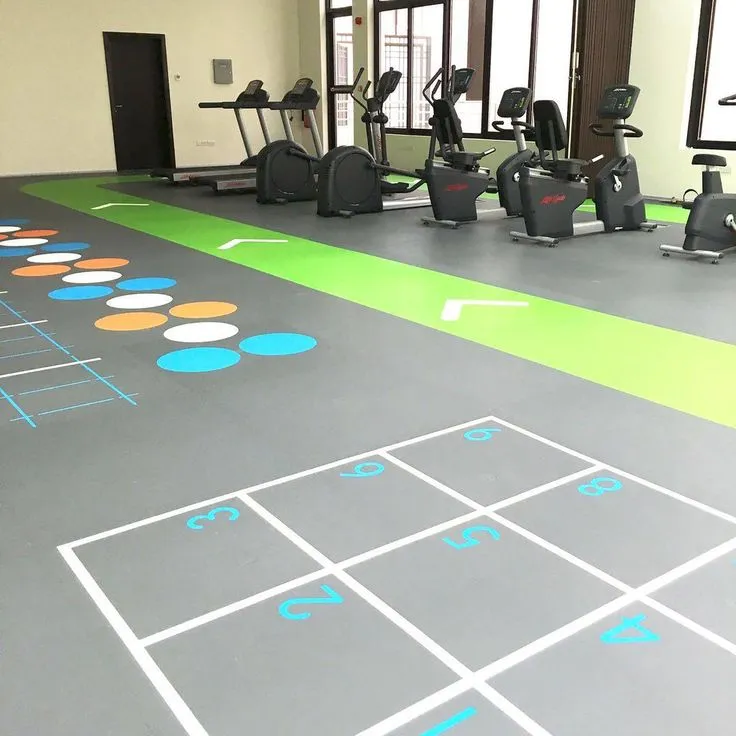
A neighborhood fitness studio places unusual demands on its floors. Clients walk between equipment, instructors move portable weights, and cleaning teams work around sweat, water bottles, and daily traffic. A surface that looks attractive in an empty showroom may not perform well beneath rolling racks or dropped accessories. Suitable commercial epoxy flooring can be considered for selected concrete areas when the system matches actual use. Studio owners should plan around equipment, traction, acoustics, maintenance, and installation downtime rather than choosing a finish only for its appearance. A room used for stretching classes may need an entirely different solution from the lobby or a corridor between machines.
Map the Different Activity Zones
A reception desk, exercise area, storage room, and equipment corridor rarely have identical needs. Entrances collect outside grit, while workout zones experience concentrated pressure beneath machines. Free-weight sections may require specialist resilient flooring and protection beyond a resin coating.
Discuss the floor plan with trainers and the cleaners who know where recurring problems occur. Sketch the layout with equipment in place. Identify walking routes, cleaning stations, and spaces where members frequently pause or turn. This exercise helps distinguish suitable resin areas from locations that need cushioning, impact absorption, or a different floor assembly entirely.
Consider Traction and Cleaning Together
Sweat, water, and cleaning solutions can change how a floor behaves underfoot. A glossy surface should not be assumed safe when wet, and excessive texture may be uncomfortable during floor exercises or difficult to clean. Choose traction with the actual activity in mind.
Ask how proposed products respond to the studio’s disinfectants and cleaning schedule. A continuous resin finish may simplify some housekeeping, but it does not replace routine cleaning or proper hygiene practices. Slip-resistance claims should be considered in context, not treated as universal guarantees.
Protect the Concrete From Equipment Loads
Heavy machines create localized pressure through feet, wheels, or narrow supports. Rolling equipment can cause repeated abrasion along preferred routes. Resin systems vary in their resistance to these stresses, and the underlying slab must also be capable of supporting expected loads.
When reviewing epoxy flooring, ask about the full coating specification, not simply the color or nominal thickness. A contractor should explain suitable protective layers and any recommended pads or separate exercise mats. Coatings should not be promoted as substitutes for impact-absorbing surfaces in high-impact training zones.
Build a Useful Renovation Checklist
Installing flooring in an active studio affects members, staff, and class schedules. Equipment may need removal, and grinding or coating work can temporarily limit access to connected rooms. The project plan should identify responsibilities before a closing date is announced.
Discuss these details with the installer:
-
Existing slab damage and moisture conditions.
-
Equipment weights, wheels, and impact areas.
-
Traction needs and cleaning chemical compatibility.
-
Dust control, ventilation, and nearby occupants.
-
Application stages and safe reopening dates.
Keep the agreed scope with the contractor’s proposal. This helps managers compare estimates without assuming every system includes the same preparation and repairs.
Design for Members, Not Just Photographs
A restrained flake finish can help disguise minor visual marks near reception, while a simpler solid color may fit storage or staff areas. Lighting matters, too: a very reflective floor can create glare beneath bright fixtures and may make scratches more noticeable.
Review samples inside the premises if possible. Coordinate colors with wayfinding and equipment without confusing decorative differences with safety markings. A cohesive appearance is useful, but accessibility, movement, and safe exercise conditions should guide the decision.
Plan the Return to Service Carefully
Some businesses can complete work during a planned closure or renovate separate rooms in stages. Whether that is practical depends on the floor layout, ventilation, access routes, and resin curing requirements. Temporary barriers should prevent people from entering unfinished areas.
Do not move heavy equipment back simply because the surface looks dry. Obtain written return-to-service instructions for each specified product. After reopening, inspect high-traffic zones regularly and use approved cleaners to preserve the finish as daily classes resume.
Conclusion
A successful fitness studio floor should complement movement, maintenance, and the building’s practical constraints. Suitable resin coatings can provide an attractive, cleanable surface in selected areas, but heavy impacts, traction, and equipment loads require separate consideration. Owners benefit from careful slab assessment, a detailed installation plan, and realistic reopening expectations. Fitness businesses around Logan and Northern Utah can explore commercial floor coating options through avid-epoxy.com while developing a design that supports both daily activity and responsible facility care.