

Small workplaces can support high productivity when the layout and design choices work with the space rather than against it. Many teams are moving into compact rooms, studios, and shared facilities as real estate costs rise across cities in the United States, Australia, and the United Kingdom. The challenge is finding ways to create comfort, flow, and efficiency without needing a major renovation.
This guide explores practical ideas that help small offices feel open and functional. It focuses on realistic choices that suit modern teams, from modular layouts to digital workflow habits. It also highlights design ideas found in popular small office resources such as the small office ideas guide from Instant Offices, which offers inspiration for anyone working with limited square footage.
Why Small Offices Need Smarter Layout Planning
A compact office leaves little room for clutter or wasted space. A few pieces of unsuitable furniture, a crowded walkway, or dark corners can make the room feel tighter than it actually is.
Several trends are shaping how companies think about space planning:
- High commercial rents push teams to choose more compact floor plans.
- Hybrid work reduces the need for large permanent desks.
- Shared offices and coworking normalize smaller private rooms.
- Focus on staff wellbeing drives better design, natural light, and comfortable furniture.
Smart planning helps your office feel welcoming and productive, even when the footprint is tight.
How Light, Color, and Layout Influence a Small Room
A room’s visual environment has a strong impact on how spacious it feels.
Natural Light and Open Lines of Sight
Bright spaces feel larger. Whenever possible:
- Use glass partitions instead of solid walls.
- Position desks so they do not block windows.
- Choose blinds that allow light filtering rather than full blackout.
Removing visual barriers helps the room breathe. Even small changes, like replacing dark curtains with lighter ones, can create an instant sense of openness.
Lighter Colors and Reflective Surfaces
Light colored walls, desks, and cabinets reflect more light. This creates a smoother flow across the room. Off white, beige, pale green, and light gray are popular choices because they match most office styles without feeling harsh.
Furniture with a matte finish helps reduce glare while still reflecting enough brightness to open up the space.
Strategic Furniture Positioning
A small office benefits from clear walkways and minimal obstacles. Instead of placing large desks near the entrance, keep heavier pieces against the walls. This provides a clean line of sight the moment someone walks in.
Smart Storage Solutions for Tight Workspaces
Paperwork, office supplies, tech accessories, and personal items can easily take over a small space. The goal is to give everything a designated home without shrinking the room further.
Vertical Storage
Use tall shelving units or wall mounted shelves to store:
- Folders and binders
- Office supplies
- Light decor, books, or files
Vertical storage frees up floor space and draws the eye upward, helping the room feel taller.
Mobile Cabinets
Rolling cabinets fit under desks and can be moved when needed. They support a flexible layout and reduce clutter on work surfaces.
Multi Use Furniture
Some desks include built in drawers, cable channels, or hidden compartments. A meeting table with storage beneath it can hold presentation supplies, notepads, or small devices.
The Rise of Modular Workspaces
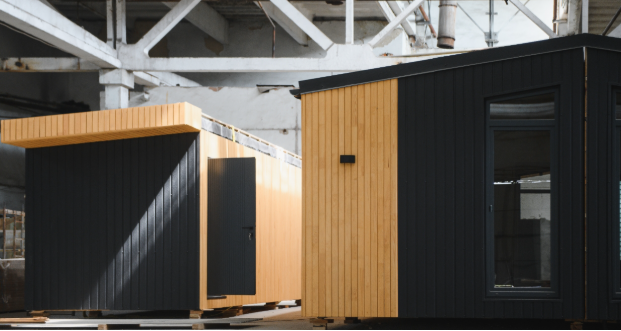
Many companies are adopting modular offices that make space planning easier. Modular layouts support growth, movement between teams, and flexible furniture placements. They also help small businesses turn tight floor plans into high functioning work environments.
Modern modular systems can include:
- Movable partitions
- Reconfigurable desks
- Stackable storage units
- Adaptable meeting pods
Teams can change the room layout without needing a full rebuild. This approach cuts costs and reduces downtime. Businesses looking for long term flexibility often explore modular offices as a scalable solution for changing staffing needs. These systems keep the workspace feeling organized as the team grows or shifts focus.
How Smart Tech Placement Saves Space
Tech tools take up a surprising amount of room. Laptops, chargers, docking stations, routers, monitors, and cables add visual weight to a small area. The goal is to keep essential equipment accessible without letting it crowd the space.
Monitor Arms and Wall Mounts
Monitor arms lift screens off the desk and provide more working room. Wall mounted monitors can also help when a team uses a shared screen for meetings or presentations.
Cable Management
Cable trays, clips, and sleeves keep wires out of sight. A cleaner desk boosts focus and avoids the feeling of clutter.
Small Form Factor Devices
Compact routers, wireless keyboards, and foldable stands save space. Many companies also store equipment inside cabinets with ventilation holes to reduce mess without risking overheating.
Small Meeting Areas That Do Not Overwhelm the Office
A traditional meeting room might be too large for a small workplace. Micro meeting spaces work better and take creative shapes.
Corner Meeting Nooks
A quiet corner with two chairs and a small round table is ideal for quick check-ins. This setup works especially well in long rectangular offices where corners are underused.
Standing Meeting Zones
Standing tables require no chairs and help reduce the footprint needed for discussions. They also encourage shorter, more focused meetings.
Pop Up Meeting Pods
Freestanding pods support private calls or focused work without needing permanent walls. Many designs include built in lighting and sound dampening panels.
How Hybrid Work Improves the Use of Small Offices
Many small teams use hybrid schedules to balance collaboration and personal space. This reduces the need for permanent seating and opens room for shared zones.
Hot Desks and Shared Stations
A hot desk system provides:
- Cleaner surfaces
- Less personal clutter
- Easier reconfiguration
Staff can bring what they need for the day and store items in personal lockers.
Digital Workflows Reduce Physical Storage Needs
Cloud storage, digital signatures, and task management platforms reduce paperwork. This supports a cleaner, lighter office environment.
Smart Decor Choices That Support Focus and Comfort
Decor can transform a small workspace when used correctly.
Plants for Health and Focus
Small plants like pothos, snake plants, and peace lilies improve air quality and bring a calming atmosphere into tight rooms. They also add color without overwhelming the space.
Wall Art With Purpose
Choose pieces with light colors or abstract patterns that do not crowd the wall. A single well chosen piece often works better than several smaller ones.
Texture and Soft Elements
A small rug, a fabric pinboard, or a soft desk mat adds warmth and reduces the sterile feeling that can make a small room feel tight.
Sound Control in Compact Offices
Noise feels louder in compact rooms. Good sound control helps staff focus and prevents fatigue.
Acoustic Panels
Panels placed on walls or ceilings absorb sound. They are available in many colors and serve as decor.
Soft Furnishings
Curtains, rugs, and upholstered chairs naturally reduce echo and noise bounce.
Quiet Zones
Even a small privacy booth helps staff make calls without disturbing others.
How to Balance Function and Aesthetics
Space efficiency is important, but people also want an environment that feels pleasant. The key is mixing practical pieces with warm, comfortable elements.
- Choose furniture that fits the scale of the room.
- Keep walkways clear.
- Use decor sparingly but intentionally.
- Maintain tidy surfaces.
- Bring in natural elements like plants and sunlight.
A small space can feel energizing when the layout respects both function and comfort.
Small Office Ideas That Inspire Real Change
Many businesses find inspiration from curated design collections that show how to make compact rooms feel larger. Resources like the small office ideas guide from Instant Offices help teams visualize creative layouts, smart storage solutions, and simple upgrades that make a noticeable difference.
These inspiration sources also highlight how easy it can be to create a modern, high functioning workspace without major renovation work. With the right combination of layout planning, modular elements, and digital habits, a small office can feel just as capable as a larger one.
Practical Steps to Start Improving Your Small Workspace Today
Anyone can begin transforming a small office using a few simple steps.
Step 1: Clear Unnecessary Items
Old chairs, outdated tech, and paper stacks consume space. Removing clutter is often the fastest way to open up the room.
Step 2: Measure the Room Before Buying Anything
Accurate measurements prevent mistakes and help you choose furniture that fits properly.
Step 3: Choose One Priority Change
Focus on one area first, such as:
- Adding vertical shelving
- Improving lighting
- Introducing modular layouts
- Replacing bulky desks
A single targeted change often improves the workspace more than several scattered upgrades.
Step 4: Involve the Team
Staff members know where bottlenecks happen. Their input helps create a layout that supports real daily work.
How Small Spaces Can Support Big Productivity
A small office can be a strong environment for productivity when designed with care. The right blend of flexible layouts, smart storage, modern tech placement, and supportive decor helps teams feel focused rather than crowded. Compact spaces often encourage better collaboration, quicker decision making, and more intentional use of every square foot.
Companies that adopt these ideas tend to see a smoother workflow and a more comfortable atmosphere. With thoughtful planning, even the smallest rooms can feel sharp, functional, and inviting.
If you want help refining layout ideas, improving storage, or planning a more flexible office, start by choosing one change that feels achievable. Small adjustments can create large improvements in how people work and feel throughout the day.