

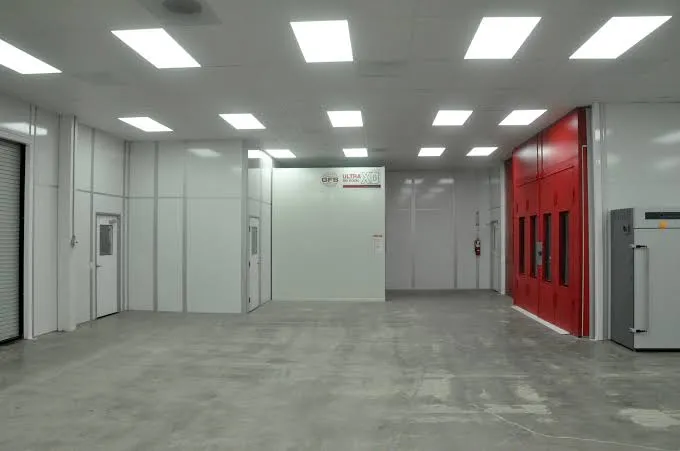
In pharmaceutical settings, a floor is a control measure. Particles, microbes, and chemical residues must be kept out of products and away from staff, and the surface underfoot either helps or hinders that effort. A pharmaceutical industrial coating service must therefore think in terms of cleanability, compliance, and documentation as much as durability. This article explores what such environments demand.
Why Floors Matter in Regulated Spaces
Floors collect everything that falls, drips, or is tracked in. If they are porous or cracked, contaminants hide and multiply. Auditors view the floor as part of the overall hygiene system, not a cosmetic detail.
A smooth, seamless, non-porous surface reduces risk. It cleans easily, resists repeated disinfection, and avoids shedding particles. Planning for those properties from the beginning is far easier than correcting problems after validation begins.
Seamless Construction and Coved Edges
Joints and corners are the weak points. Coved bases that curve up the wall remove sharp angles where debris collects. Welded or monolithic details reduce gaps that microbes could colonize.
Penetrations deserve attention too. Pipes, drains, and equipment bases should be sealed carefully, with compatible materials. A small gap left untreated can undermine an otherwise excellent installation.
Chemical Resistance to Disinfectants
Regular cleaning uses strong agents, including alcohols, peroxides, and quaternary compounds. Some coatings soften or discolor under repeated exposure. Review resistance data for each agent and the real contact times in your procedures.
Rotate disinfectants only after confirming compatibility. A product may withstand one chemical and fail against another. Share your full cleaning schedule with the installer so the specification reflects daily reality.
Static Control and Special Requirements
Some areas need antistatic or conductive flooring to protect sensitive electronics or flammable materials. These systems include grounding details and require testing after installation.
Clean zones may also demand low-emission materials. Check outgassing data and ventilation requirements before specifying. Early collaboration with quality and engineering teams prevents expensive redesigns later.
Scheduling Around Production
Shutdowns in regulated plants are costly and complex. Phased installation allows production lines to continue elsewhere, while fast-curing options shorten closure windows. Coordination with validation schedules is essential.
Warehousing and logistics zones also need attention. Professional warehouse flooring installation for staging and storage areas should match the hygiene standards of adjacent production spaces, with durable surfaces that resist pallet jacks and forklifts. Consistency across zones simplifies cleaning protocols.
Documentation and Validation
Regulators expect records. Keep product data sheets, batch numbers, application logs, and test results. Photographs of each stage demonstrate that procedures were followed.
Prepare for audits by organizing documents clearly. A well-maintained file shows that materials were suitable, conditions were monitored, and the finished floor met specification. Good documentation supports confidence from every stakeholder.
Maintenance and Monitoring
Create a cleaning plan with approved products and techniques. Avoid abrasive tools that scar the surface, since scratches harbor contaminants. Train staff to follow the same method every time.
Inspect regularly for chips, lifted edges, and failing seals. Repair promptly using compatible materials. Treat the floor as critical infrastructure, and schedule routine reviews alongside other equipment checks.
Conclusion
Regulated environments need floors that are seamless, resistant, compliant, and well documented. Plan joints, chemicals, special requirements, and schedules together, and maintain the surface carefully. A thoughtful approach protects products, people, and approvals alike.
To discuss your facility and explore suitable solutions, visit kingcustomcoatings.com and speak with the team.