

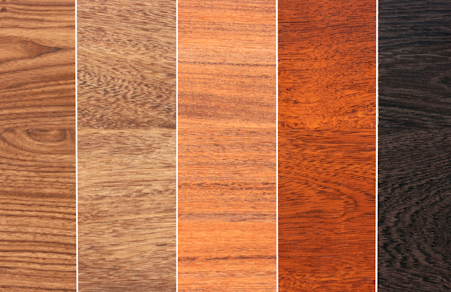
Most people step onto their floors dozens of times each day without giving them a second thought. But when it comes time to renovate or build, suddenly these surfaces become the center of attention. The confusion starts when terms like “hardwood flooring” and “polyurethane finish” are used interchangeably. Here’s the straightforward truth: flooring is the material beneath your feet, while floor finishes are the protective layers that keep it looking good.
Grasping this distinction makes shopping easier, prevents costly mistakes, and helps create spaces that truly work for daily life. This guide breaks down everything in plain language so anyone can make smart flooring decisions.
What’s the Main Difference Between Flooring and Floor Finishes?
Flooring is the physical material installed on the floor surface, such as hardwood planks, ceramic tiles, or vinyl sheets. Floor finishes are protective coatings or treatments applied to the flooring to enhance durability, appearance, and maintenance. Essentially, flooring is the structural material itself, while finishes are the protective and decorative layers that seal and safeguard it. Flooring can last many years, while finishes generally need reapplication periodically (often every 2 to 10 years) depending on traffic, wear, and product type.
Why Understanding the Difference Matters
Knowing the difference between flooring and finishing floor affects three major areas of home improvement and maintenance.
- Budget planning: Flooring typically costs more than finishes. Understanding this helps allocate renovation funds appropriately and plan for future maintenance expenses.
- Maintenance schedules: Flooring can last decades with proper care. Finishes need reapplication periodically based on traffic and product type, which affects long-term maintenance planning.
- Renovation decisions: You can change finishes without replacing flooring. This means refreshing a floor’s appearance without the expense and disruption of full replacement.
What is Flooring?
Flooring forms the foundation of any room’s design and functionality. It’s more of a surface to walk on, as it affects comfort, acoustics, temperature, and the overall feel of a space.
Structural Components of a Floor
A complete floor system has multiple layers working together to create a stable, comfortable surface.
- Subfloor: The structural layer attached to floor joists, usually plywood, oriented strand board (OSB), or concrete. It provides a stable foundation for the flooring above.
- Underlayment: An Optional cushioning layer that reduces noise and provides moisture protection. Some flooring types require specific underlayment materials for warranty coverage.
- Flooring material: The visible surface layer that determines your floor’s look and feel. This is what people refer to when they talk about “the floor.”
- Finish: The topmost protective coating applied to certain flooring types. Not all flooring materials require separate finishes. For example, vinyl, tile, and some pre-finished hardwoods already have built-in surface protection.
Types of Flooring Materials
Different flooring materials offer unique benefits and suit different environments. Understanding the options helps narrow down what works best for each space.
Carpet
Soft textile flooring made from natural or synthetic fibers. Carpet provides warmth and sound absorption. It’s ideal for bedrooms and living rooms, but unsuitable for high-moisture areas. Installation involves padding underneath for comfort and longevity.
Hardwood (Solid, Engineered, and Longstrip Plank)
Solid hardwood is 100% wood throughout its thickness. Engineered hardwood has a real wood veneer over plywood layers, offering better moisture stability. Longstrip planks feature multiple wood strips in one board for varied visual texture. Hardwood adds timeless elegance and can be refinished multiple times over its lifespan.
Laminate
Synthetic flooring with a photographic layer that mimics wood or stone. Laminate resists scratches better than real wood and offers a budget-friendly appeal. It’s not refinishable but handles moderate traffic well. Installation uses a click-lock system that floats over underlayment.
Vinyl (Sheet Vinyl, LVT, LVP, EVP)
Water-resistant synthetic flooring available in sheets or planks. Luxury Vinyl Tile (LVT) and Luxury Vinyl Plank (LVP) mimic natural materials with impressive realism. Enhanced Vinyl Plank (EVP) adds extra rigidity and durability. Vinyl works in any room, including bathrooms and basements, where moisture is a concern.
Linoleum
Natural flooring made from linseed oil, cork dust, and wood flour. Linoleum is biodegradable and antimicrobial, making it an eco-friendly choice. It’s durable and available in many colors and patterns. This material suits eco-conscious homeowners who want sustainable options.
Tile (Ceramic, Porcelain, Mosaic)
Clay-based flooring is fired at high temperatures for hardness. Porcelain is denser and more water-resistant than ceramic, making it suitable for outdoor and wet applications. Mosaic tiles create decorative patterns using small pieces. Tile excels in wet areas and high-traffic zones due to its extreme durability.
Stone (Marble, Granite, Kota)
Natural stone is cut into tiles or slabs for flooring. Marble offers luxury with distinctive veining but requires careful maintenance to prevent staining. Granite provides extreme durability with varied color options. Kota stone, a type of limestone popular in India, is ideal for outdoor areas and traditional designs. Regional availability may vary.
Other Materials (Terrazzo, Brick, PVC)
Terrazzo combines marble chips in cement or resin for a speckled appearance with excellent longevity. Brick flooring adds rustic charm to patios and mudrooms with its distinctive texture. PVC tiles offer budget-friendly water resistance for temporary or rental situations.
What are Floor Finishes?
It transforms raw flooring materials into protected, beautiful surfaces that withstand daily use. Think of finishes as the protective layer that shields flooring from scratches, water, and daily wear, helping it look new longer.
The purpose of Floor Finishes
is floor serves four essential functions that extend floor life and improve performance.
- Protection: Finishes create a barrier against water, stains, and scratches. Quality protective coatings prevent damage from reaching the flooring material underneath, significantly extending its usable life.
- Enhancement: Stains and finishes bring out wood grain patterns and deepen color tones. They can make inexpensive wood look richer or help premium materials showcase their natural beauty.
- Maintenance: Sealed floors are easier to clean because dirt sits on the surface rather than absorbing into the material. This means faster cleaning and less wear from scrubbing.
- Safety: Certain finishes add slip resistance, particularly important in commercial spaces and homes with elderly residents or young children.
Pros and Cons of Different Finishing Methods
Each finishing method has trade-offs. Understanding them helps match the right finish to each situation.
Oil-based polyurethane
- Pros: Maximum scratch resistance, rich color depth, long-lasting protection
- Cons: Long drying time, strong fumes, yellows over time, difficult to recoat
Water-based polyurethane
- Pros: Clear finish, quick drying, low odor, easy cleanup with water
- Cons: Less durable than oil-based, requires more coats, and typically costs more
Natural oil finishes
- Pros: Easy spot repairs, natural appearance, enhances wood character, simple application
- Cons: Needs frequent maintenance, less water resistance, shows wear faster
Pre-finished factory coatings
- Pros: Immediate use, consistent application, strong warranty coverage, no in-home dust
- Cons: Limited customization, visible seams between planks, and difficult repairs
Factors to Consider When Choosing Flooring and Floor Finishes
Selecting the right combination of flooring and finishes requires thinking about how spaces will actually be used. The perfect choice for a formal dining room differs dramatically from what works in a mudroom.
Room Function and Usage (Residential vs. Commercial)
Different spaces demand different performance characteristics from both flooring materials and protective finishes.
- Residential kitchens: Water-resistant flooring like tile or vinyl with sealed grout lines works best. Choose satin or semi-gloss finishes for easy spill cleanup. Avoid materials that stain easily or swell with moisture.
- Living rooms: Hardwood or laminate with medium-traffic finishes balances beauty and durability. Oil-based polyurethane works well in family spaces with moderate wear. Comfort and aesthetics take priority here.
- Bedrooms: Carpet or softer wood species with matte finishes create peaceful retreats. Comfort matters more than extreme durability in these low-traffic areas. Soundproofing benefits also make carpet appealing for sleeping spaces.
- Bathrooms: Porcelain tile or luxury vinyl with waterproof finishes prevents moisture damage. Avoid wood unless it’s properly sealed with marine-grade products designed for constant humidity exposure.
- Commercial spaces: High-traffic flooring like polished concrete or commercial-grade vinyl stands up to constant use. Use ultra-durable finishes designed for heavy foot traffic to minimize maintenance downtime.
Durability, Maintenance, and Cleaning
Long-term performance depends on matching flooring and finish combinations to actual use patterns.
High durability combinations:
- Porcelain tile with epoxy grout lasts for decades under harsh conditions
- Engineered hardwood with an aluminum oxide finish resists scratches effectively
- Luxury vinyl with urethane wear layer handles spills and impacts
Low maintenance options:
- Pre-finished hardwood floors need only vacuuming and damp mopping
- Sealed concrete requires annual resealing but little daily care
- Ceramic tile with sealed grout needs weekly cleaning, but no special products
Cleaning requirements by finish type:
- Oil-based polyurethane: pH-neutral cleaners, avoid water saturation that dulls the finish
- Water-based finishes: Gentle soap solutions, microfiber mops that don’t scratch
- Natural oil finishes: Oil soap products, periodic re-oiling to maintain protection
Foot Traffic, Moisture, Pets, and Activities
Real-world conditions determine which flooring and finish combinations actually perform well over time.
- High foot traffic: Choose harder woods like hickory or maple with a commercial-grade finishing floor. Avoid soft pine or natural oil treatments that show wear quickly. Entryways and hallways see the most wear.
- Moisture exposure: Tile, vinyl, or sealed concrete work in basements and entryways where water intrusion is likely. Skip solid hardwood in below-grade installations where humidity fluctuates significantly.
- Pet ownership: Scratch-resistant finishes like aluminum oxide or UV-cured polyurethane protect against claw marks from dogs and cats. Darker stains hide minor scratches better than light finishes. Consider textured surfaces for better traction.
- Active households: Durable flooring with multiple finish coats withstands sports equipment and wheeled furniture. Consider textured finishes for slip resistance in play areas. Impact-resistant materials prevent dents from dropped objects.
Budget and Design Goals
Financial considerations and aesthetic preferences both play important roles in flooring and finish selection.
Budget-conscious approach:
- Laminate or vinyl flooring offers a good appearance at a lower cost
- Water-based finish provides adequate protection affordably
- Focus spending on high-traffic areas, use budget options in closets
Mid-range investment:
- Engineered hardwood balances real wood appeal with stability
- Oil-based polyurethane finish offers durability without premium pricing
- Good value for most residential applications
Premium selection:
- Solid exotic hardwood makes a statement with unique grain patterns
- Custom stain with multiple finish coats creates showroom quality
- Investment-grade choices for long-term satisfaction
Design considerations:
- Match wood tones to existing cabinetry and trim for cohesive flow
- Consider sheen levels: matte for rustic styles, gloss for formal spaces
- Test stain samples on actual flooring material before committing
- Account for natural light effects on finish appearance throughout the day
Conclusion
Understanding the distinction between flooring and finishes empowers better decision-making for any space renovation or new construction project. Flooring and finishes work together but serve distinct purposes. Flooring provides the structural base and primary aesthetic foundation. It’s the material choice, whether wood, tile, vinyl, or stone. Finishes protect that investment with sealants and coatings that prevent damage and simplify cleaning.
Rustic Wood Floor Supply is dedicated to helping homeowners and contractors discover flooring solutions that genuinely work for real life, not only showroom displays. If someone’s installing reclaimed oak in a busy family kitchen or updating office floors that see hundreds of visitors daily, the team matches materials and floor finishes to genuine requirements instead of only following trends.
FAQs
Can you change floor finishes without replacing flooring?
Yes, refinishing involves sanding down the existing finishing floor and applying a new finish. This works for solid hardwood and thick engineered wood with adequate wear layers. Refinishing costs significantly less than new flooring installation.
How do site-finished and pre-finished floors differ in durability?
Site-finished floors create seamless protection across entire surfaces. Pre-finished planks have beveled edges, but factory finishes use UV-curing technology for exceptional hardness. Quality pre-finished floors match or exceed site-finished durability.
What is the lifespan of various finishes?
The lifespan of finishes depends on traffic levels and maintenance. Oil-based polyurethane typically lasts longest in residential settings. Water-based finishes need renewal more frequently. Natural oil treatments require the most maintenance. Proper care significantly extends finish lifespan.
Which finish is easier to repair or maintain?
Natural oil finishes allow easy spot-treating without refinishing entire rooms. Water-based polyurethane ranks second for simple touch-ups. Oil-based polyurethane is the hardest to repair since new applications don’t blend with the aged finish.
Are finishes important for safety or slip resistance?
Yes, the finishing floor significantly affects slip resistance. Matte and satin finishes provide more traction than high-gloss options. Commercial spaces use textured finishes or friction additives. Wet areas need finishes specifically rated for slip resistance.
1 Comment
Pingback: How to Reduce Mould and Prevent It from Coming Back in Your Home